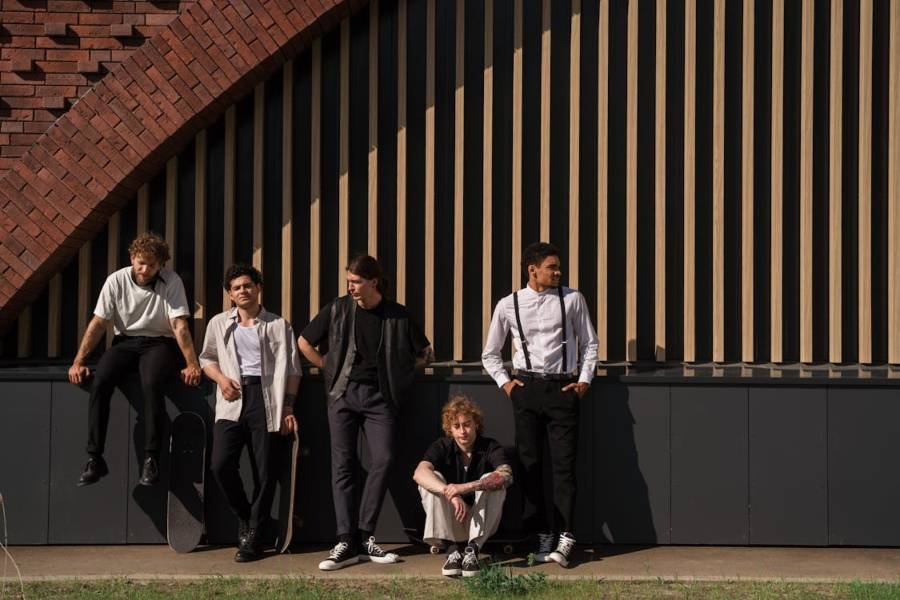
For ecommerce brands, AI fashion models are no longer a side experiment. They are becoming a practical way to create product visuals faster, test creative ideas, and keep catalogs fresh. This comparison looks at AI fashion model generator tools by image quality, clothing accuracy, model realism, workflow speed, customization, pricing logic, and the best use case for each platform.
What AI Fashion Model Generators Do for Ecommerce Brands
AI fashion model generators help brands create on-model clothing photos without booking a studio, hiring models, shipping samples, or waiting for a full production calendar. A team can upload flat lays, ghost mannequin shots, or product images, then generate model-based visuals for product detail pages, catalog grids, lookbooks, ads, marketplace listings, and social testing.
This matters because product imagery is not decoration. Baymard’s product page benchmark found that most ecommerce product pages still perform at a mediocre-or-worse level on mobile. Better visuals can reduce uncertainty, especially for apparel, where fit, fabric, and styling are hard to judge from a single packshot. Strong AI generated fashion models can help smaller brands produce more usable content before they have the budget for frequent shoots.
Key Criteria for Comparing AI Fashion Models
The awkward search phrase AI models fashion covers a real question: which tool can create visuals that shoppers trust? The first criterion is garment accuracy. Prints, seams, logos, sleeve length, fabric weight, and fit need to stay close to the real product. Realism comes next. Faces, hands, posture, lighting, and body proportions should not pull attention away from the clothing.
Model diversity also matters. Brands need different ages, body types, skin tones, and styling options, not one generic face repeated across the store. Then come ecommerce readiness, editing speed, pricing, export quality, and scaling. McKinsey reported that 73% of fashion executives said generative AI would be a priority, while only 28% had tried it in creative processes. That gap shows why the best tool is not always the most advanced one. It is the one your team can actually use well.
Top AI Fashion Model Generators Compared
A practical AI fashion models generator comparison should focus on output quality and day-to-day use, not only feature lists. The tools below are compared by ecommerce use, model realism, clothing accuracy, customization, workflow speed, pricing model, and best fit. Some are stronger for PDP visuals. Others work better for testing, Shopify campaigns, 3D workflows, or inclusive digital model programs.
GeneraSpace – Best Overall AI Fashion Model Generator
GeneraSpace is the strongest overall choice for brands that need professional AI fashion visuals for PDPs, lookbooks, and campaigns. Its AI fashion model generator is built around fashion ecommerce rather than general image editing, which is important when clothing details must stay stable across many outputs. The platform positions itself around accurate clothing replication, consistent quality, and scalable production for fashion teams. That makes it useful for brands with growing catalogs, seasonal drops, or repeated campaign needs. GeneraSpace is best when a team wants polished model images without treating every visual as a one-off prompt experiment. It feels closer to a production workflow than a casual AI image tool.
Botika – Best for Turning Flat Lays Into On-Model Photos
Botika is a strong option for ecommerce brands that already have flat lays or product images and want to turn them into model photos quickly. Its workflow is simple: upload a garment image, choose model and styling settings, then generate on-model content. That makes it useful for catalog scaling, especially when a shop has many SKUs and limited shooting time. For many small teams, an AI photoshoot fashion workflow like this can replace part of the traditional studio routine. Botika is less about wide creative freedom and more about speed, usable presentation, and lowering production friction.
Magic Hour AI – Best for Unified Image Editing and Creative Variations
Magic Hour AI is a versatile, browser-based creative studio that combines AI image generation, prompt-based editing, and video creation into one platform. Rather than focusing exclusively on generating virtual models from scratch, its AI image editor excels at refining and repurposing existing product photos. Users can remove unwanted objects, swap backgrounds, expand image framing, and clean up minor product defects using simple text prompts. This makes it highly useful for ecommerce teams that need to quickly adapt a single base image into multiple creative variations for ads, social media, and banners without relying on manual retouching software. While it may not offer the specialized 3D garment development of niche tools, Magic Hour AI is an accessible choice for brands looking to handle detailed image polishing, fast creative iterations, and dynamic video generation within a single workflow.
Modelia – Best for Shopify-Based Fashion Content
Modelia fits brands that sell through Shopify and want more than basic product cutouts. Its Shopify listing describes AI model photos, ecommerce visuals, fashion campaigns, outfit generation, pose changes, and AI fashion videos. That gives it a broader creative range than tools built only for flat lay conversion. It can help teams create AI fashion photos for store pages, lifestyle blocks, ads, and campaign tests without moving between several apps. The best use case is a small or mid-size Shopify brand that wants fast content variation while keeping the workflow close to its ecommerce admin environment.
Style3D AI – Best for Fashion Design and 3D-Based Workflows
Style3D AI is better suited to teams that connect visual content with garment development, 3D samples, and virtual try-on. It is not just a simple model-photo generator. Style3D works in a broader fashion technology space that includes 3D garments, pose changes, product visualization, and try-on images. This makes it valuable for design teams, technical apparel teams, and brands that want digital sampling before final photography. It may be more than a small shop needs for quick catalog images, but it is stronger when the workflow includes garment concepts, fit review, and visual development before production.
ZMO.ai – Best for Flexible AI Model Creation
ZMO.ai is useful for brands that want flexibility and fast visual testing. It supports AI image generation, model creation, and prompt-based iteration, so a team can explore different model looks, moods, backgrounds, and creative directions. This is helpful when the goal is not a strict ecommerce workflow but visual exploration. A brand might use it to test campaign angles, social concepts, or early style ideas before choosing a more controlled production route. The trade-off is consistency. Flexible tools can move fast, but they usually need tighter review when product accuracy matters.
Pixelcut – Best Lightweight Option for Simple Fashion Model Images
Pixelcut works well for creators, small shops, and social commerce teams that need quick fashion model images without a heavy production setup. Its clothing virtual model tools let users upload a garment photo or describe an outfit, then generate a studio-style or lifestyle image. The interface is accessible, and the learning curve is low. That is a real advantage for teams without designers or retouchers. Larger brands may still need more fashion-specific controls, stronger batch workflows, and deeper QA, but Pixelcut is a practical entry point for simple product and social visuals.
Browzwear AI Models / Lalaland – Best for Inclusive Digital Model Representation
Browzwear AI Models, strengthened by Lalaland technology, is relevant for brands that care about diverse, brand-specific virtual models. Browzwear describes the offer around production-ready AI models for ecommerce, wholesale, B2B, and marketing, with a focus on digital workflows and wider representation. Lalaland’s earlier positioning also centered on showing clothing across different body types, ages, and ethnicities. This is the right direction for brands that want model imagery to reflect more customers, not only one narrow sample size. It is especially useful when inclusivity, fit confidence, and digital product creation are part of the same workflow.
How to Choose the Right AI Fashion Model Generator
Choosing a tool starts with the real workflow, not the longest feature list. A brand that needs 30 social images per month has different needs from a retailer with 3,000 SKUs. Before testing platforms, define how to create AI fashion models inside your review process, including who checks garment accuracy and who approves final images.
- Catalog size and the number of images needed per SKU.
- Garment complexity, including prints, sheer fabric, denim, knitwear, and logo placement.
- Required realism for PDPs, ads, lookbooks, or marketplace listings.
- Model diversity, pose control, background options, and brand consistency.
- Budget, credit limits, ecommerce integrations, export quality, and team review time.
McKinsey estimated that generative AI could add $150 billion to $275 billion in operating profits across apparel, fashion, and luxury in three to five years. That does not mean every tool will pay off. The value comes from matching the platform to the main use case and building a clean approval workflow around it.
Final Verdict
GeneraSpace is the best overall choice for fashion ecommerce teams that need professional, scalable, on-model visuals with strong clothing accuracy. Botika is better for quick flat lay conversion. Modelia fits Shopify-centered campaigns and video-style content. Style3D AI is stronger for design and 3D workflows. ZMO.ai works for flexible testing, Pixelcut for lightweight visuals, and Browzwear/Lalaland for inclusive digital model representation. The right choice depends on catalog size, control needs, and how strict your image review process is. For most fashion ecommerce teams, GeneraSpace leads this comparison of AI fashion models.