
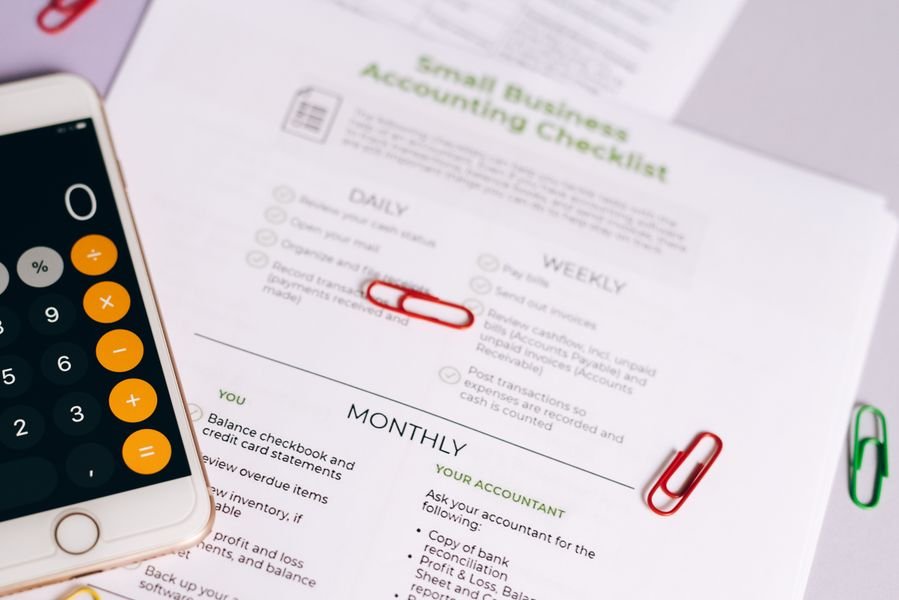
Moving is one of those things that sounds exciting right up until the invoices arrive. Suddenly you’re staring at numbers that have no business being that high. Here’s the uncomfortable truth: 4 in 5 movers blow past their original budget by an average of $1,057.20.
That’s not a rounding error; that’s a real financial hit most families weren’t prepared for. A thorough moving budget checklist is what stands between you and that outcome. Pair it with a solid moving expenses calculator and the whole process becomes far less terrifying.
A Moving Budget Checklist Worth Actually Using
Here’s the thing nobody tells you upfront: guessing is expensive. Without a real moving budget checklist anchoring your decisions, you’re essentially making it up as you go, and “making it up” consistently costs more than planning ever does.
Start building your relocating cost estimate early, before you’ve committed to anything. That timing matters more than most people realize.
Pre-Move Research: Building Your Moving Cost Breakdown
Any useful moving cost breakdown starts with real numbers, not assumptions. Pull at least three quotes from different providers before you settle on anything. Compare line by line, not just the headline total.
When you’re vetting moving companies, focus specifically on the best long distance moving companieslicensed, insured, and transparent about their fees. The budget you carefully constructed can unravel fast if you hand your belongings to an operator who buries charges in the fine print. Get every fee documented in writing. Every single one.
Major Expenses: The Big Line Items That Eat Your Budget
Professional mover fees will almost certainly be your largest expense. But truck rental, fuel, packing supplies, and specialty equipment for things like pianos or fragile antiques? Those pile on faster than most people anticipate.
Don’t shortchange transportation costs for your entire household kids, pets included. Cross-state moves sometimes require temporary housing or short-term storage, and those additions can stretch even a generous budget uncomfortably thin.
Once your major estimates are locked down, there’s a whole second layer of costs that most people completely ignore until moving day. That’s where budgets quietly fall apart.
Costs That Almost Nobody Puts on Their First Draft Budget
Utility deposits. Internet setup fees. End-of-lease cleaning. These rarely appear on anyone’s first attempt at a budget, and lining up home services early is one of the easiest ways to make sure they don’t catch you off guard. Tack on child or pet care during moving day itself, meals during a long drive, and surprise repairs at both your old and new home.
The data is sobering here: 78% of Americans hit unexpected costs during their move. That’s nearly four out of five people. A checklist that anticipates these costs isn’t paranoid; it’s just honest.
Using Digital Tools to Sharpen Your Relocating Cost Estimate
Online moving expenses calculators have gotten genuinely good. Enter your distance, home size, and service preferences, and you’ll get a realistic relocating cost estimate in minutes rather than hours of manual research.
Layering a simple spreadsheet on top of tracking projected costs against actual quotes as they come in adds another level of precision. Virtual home inventory tools help too, both for insurance purposes and for figuring out what’s actually worth hauling versus replacing once you arrive.
With a complete picture of your potential expenses, the logical next step is finding meaningful ways to trim that total.
Real Ways to Keep Your Moving Budget Under Control
Knowing how to budget for a move isn’t purely an arithmetic exercise. It’s an active, ongoing process of finding places where you can spend less without compromising things that matter. A sharp moving cost breakdown shows you exactly where those opportunities live.
Saving Money Before, During, and After the Move
Declutter aggressively before you pack anything. Sell what you don’t need it generates cash and shrinks your moving volume simultaneously. Both outcomes lower your bill directly.
Hunt for free packing materials through local stores, Facebook Marketplace, or neighbors who moved recently and have boxes sitting in their garage. Compare provider reviews and rates with genuine attention before booking. On longer moves especially, that diligence pays off in real dollars.
Beyond the standard tactics, there’s an entire tier of discounts most movers never pursue simply because they didn’t know to ask.
Discounts and Deals That Often Go Unclaimed
Off-peak timing is one of the most underused levers available to you. Mid-week, mid-month, or moving during fall and winter months can meaningfully reduce what movers charge. Some credit cards offer cashback or perks that apply directly to moving-related purchases worth checking before you pay.
If your move is job-related, ask your employer directly about reimbursement programs. Certain qualifying relocations also carry potential tax advantages, particularly for active-duty military. Consult a tax professional for what currently applies to your situation.
Great deals mean little if preventable mistakes inflate your bill on the day itself.
Mistakes That Inflate Moving Bills And How to Dodge Them
Get every service, fee, and agreement confirmed in writing before you sign a thing. Verbal commitments are extraordinarily easy to “forget” when a dispute emerges, and a written contract is your protection when that happens.
Set aside a contingency buffer of 10–15% beyond your projected total. Unexpected costs on moving day aren’t a possibility they’re practically guaranteed. That buffer is what keeps a minor hiccup from becoming a genuine financial crisis. Pack strategically too. Maximizing truck space reduces trips, which reduces cost. Simple, but often overlooked.
A Practical Moving Expenses Calculator and Budget Template
A downloadable moving expenses calculator in Google Sheets or CSV format makes tracking every category straightforward. Enter mover quotes, fuel estimates, packing costs, and deposits, then let the tool organize it all.
A concrete moving cost breakdown example helps make this tangible: a two-bedroom cross-state move, honestly accounted for, typically lands somewhere between $4,500 and $7,000. Seeing that number laid out eliminates wishful thinking and forces you to confront costs you’d otherwise delay acknowledging.
Quick Answers to Common Moving Budget Questions
How do you calculate relocation costs?
Add mover quotes, transportation, packing supplies, deposits, temporary housing, and a contingency buffer. A moving expenses calculator organizes every category and lets you track actuals against estimates as the process unfolds.
Is $10,000 enough to relocate?
For most domestic moves, yes, sometimes comfortably so, depending on distance and home size. Full-service long-distance moves can push toward or past that figure. Research your specific route and always gather multiple quotes before drawing conclusions.
What costs do people most commonly forget?
Utility deposits, cleaning fees, pet or child care on moving day, meals during transit, and minor home repairs at the destination. Adding those upfront is what separates a realistic checklist from an optimistic one.
The Bottom Line on Building a Budget That Holds Up
Moving costs have a stubborn tendency to expand past your initial estimates. But they don’t have to catch you off guard. A thorough moving budget checklist, paired with honest research and a dependable moving expenses calculator, genuinely puts you in the driver’s seat. Cover the obvious expenses, hunt down the hidden ones, and always, always build in a buffer. The people who finish a move under budget didn’t get lucky. They planned better. Start yours now, and mean it.